Reading Minor Moves: A Field Guide to Everyday Place-Making
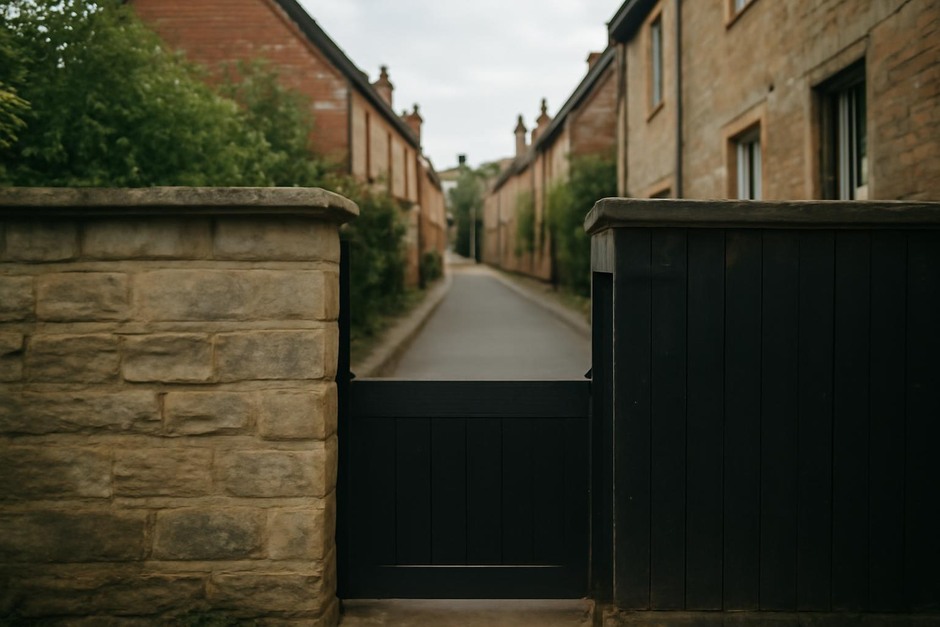
On a late afternoon walk I paused at a lane where an old shopfront meets a narrow pavement. A low metal rail, scuffed paint, and a single step together modulated movement: people slowed, shifted their weight, and some briefly used the rail to steady a parcel. No single element was dramatic, but the cluster of small, repeatable gestures—touch, step, lean—gave the corner its character. What if we treated these minor moves as clues to how places work?
1. Scale and human gestures: map the actions, not the dimensions
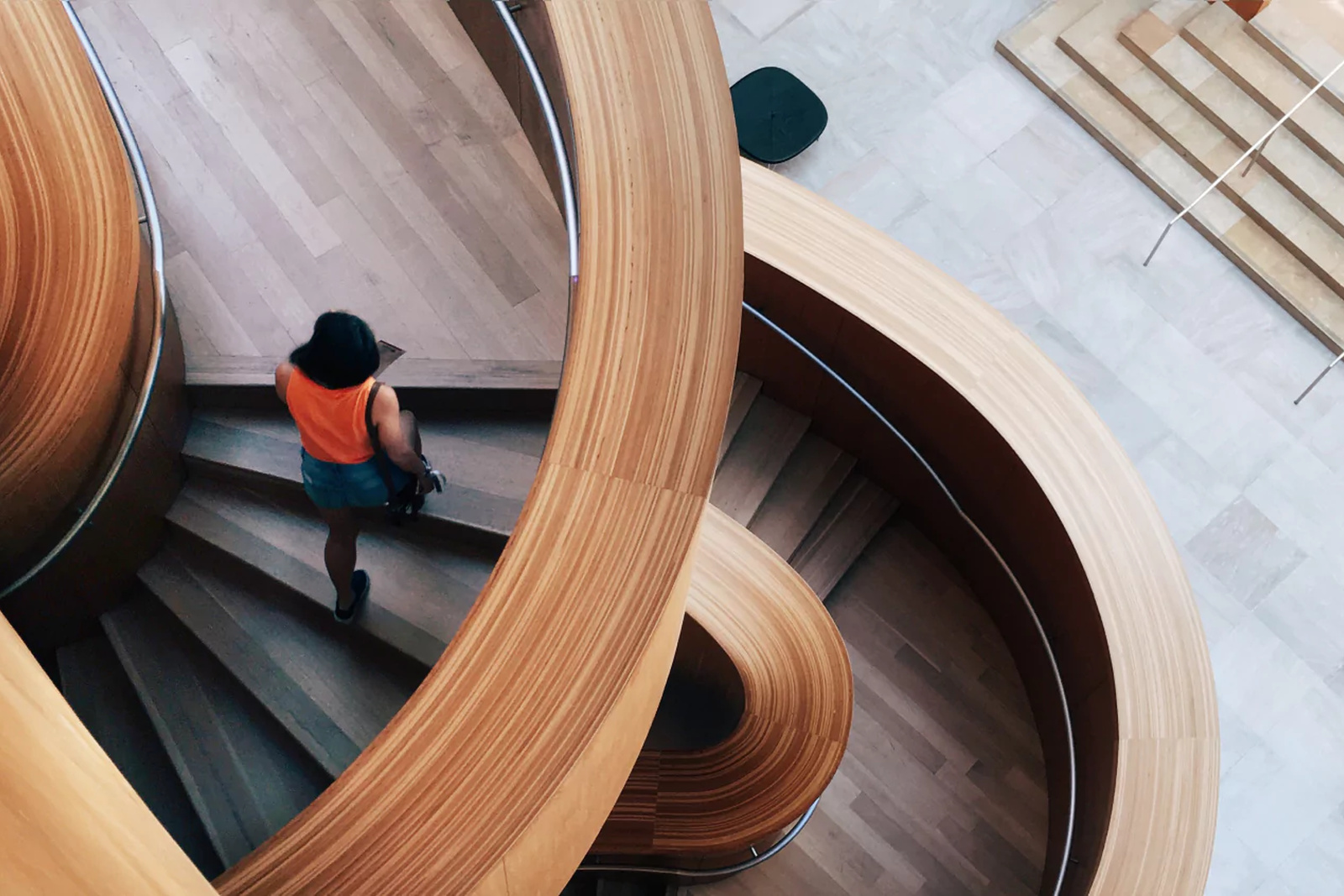
Most design readings begin with measurements. A more revealing practice is to map what bodies do in a place. Stand for five minutes and note three things: where people pause, where they turn, and where they avoid. A bench may be empty not because it is uncomfortable, but because it sits in a direct wind line; a narrow ledge may be used for placing groceries while fumbling for keys.
Try this small exercise: choose a doorway or storefront and watch at two heights—child eye level and standing adult—then sit on a nearby step and watch again. Differences in sight lines and reach explain why small thresholds succeed or fail. Catalog gestures you see (lean, step, reach, place, step aside) and then compare them to the formal dimensions. Often a half-step or a handhold reveals more about suitability than a measured clearance.
2. Material contrasts and wear: read the history in surfaces
Materials accumulate information. Where cobbles are polished, feet have chosen paths; where paint flakes, hands have rested. Rather than labeling surfaces as merely old or new, observe the type of wear and its rhythm. Are scratches clustered at elbow height? Is the threshold center more worn than the edges? These patterns tell you how the place is being used and by whom.
Carry a small notepad and sketch or trace the most worn edge you find. Note changes in texture and temperature—metal versus wood versus stone—and how they affect touch. When you encounter a patched surface, ask whether the repair follows the original pattern of use. Often repairs reveal prioritized movements: a patched corner may show a preferred circulation line even if plans say otherwise.
3. Light, shadow, and the temporal sequence of place
Light orders perception. The same porch that feels welcoming at noon can feel forbidding at dusk. Spend an hour at a chosen spot across different times of day and register three shifts: legibility (can you read signs or see steps), contrast (deep shadow versus soft light), and temperature (how materials radiate heat or cold). These shifts influence not just aesthetics but behavior—people avoid glare, seek warmth, and choose routes that feel legible.
Make a simple sun sketch: draw the plan of a corner and mark where shadows fall at morning, midday, and late afternoon. Overlay observed behaviors on this map. You’ll often find that favored standing places coincide with comfortable light conditions, not necessarily with aesthetic focal points.
4. Accretions and ad-hoc interventions: how small fixes alter a place
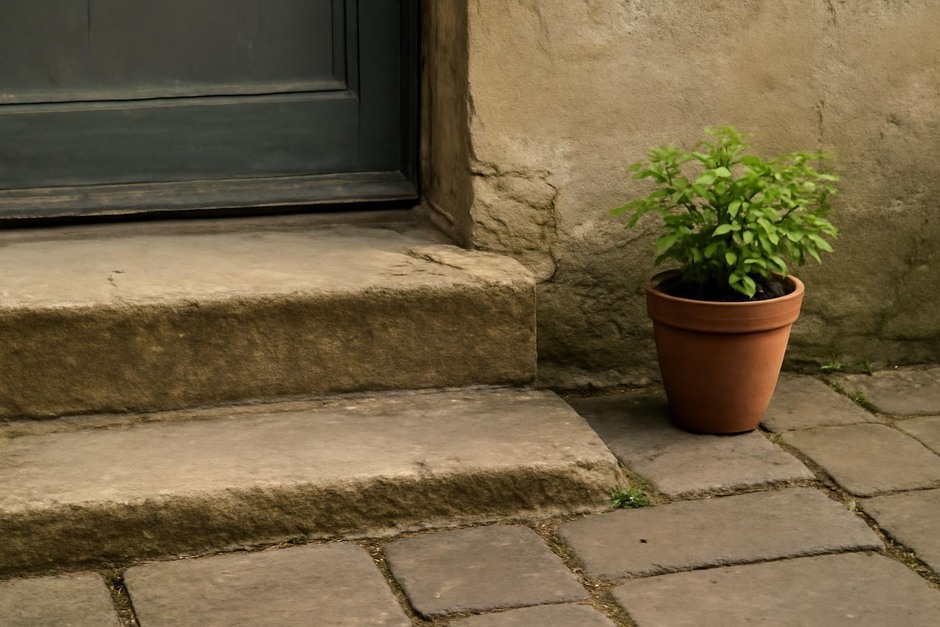
Informal additions—planters, tape, plywood patches, handwritten signs—are ongoing negotiations between users and place. Treat these as visible feedback. A crooked pot by a stoop may mark a preferred pause point; a taped threshold may be a temporary solution that reveals a persistent problem.
Ask three questions when you encounter an intervention: What problem does it solve? Who likely made it? How long has it been there? Photograph an example and, if possible, return after a few weeks to see whether it has been adjusted, removed, or left alone. These small life-cycles are rich data for understanding durability, priority, and the informal systems that keep places working.
Conclusion: cultivating a practice of minor noticing
Places are made as much by small, repeatable gestures as by grand plans. By attending to scale and gesture, the texture of materials, the sequence of light, and the life of informal fixes, you build a practical vocabulary for reading everyday environments. The goal is not to catalog everything, but to learn to ask the right questions: What do people do here? What surfaces invite touch? How does time change behavior? These questions turn casual wandering into a focused study that can inform better, more humane decisions at any scale.
Next time you pause at a corner, try one short experiment: watch for five minutes, sketch the worn edge you notice, and mark where people actually stop. Over time, these small acts of attention add up into a reliable guide for seeing how places are used and how they might be made to work a little better.